We study the people, activity, and incentives behind crypto markets. Starting with Solana: how meme coins, trading, and network use relate to SOL’s price.
Our first study starts with Solana and the activity around meme coins. We’re building the evidence step by step, with our questions, methods, and progress open to examine.
SOL–001 / An independent studyIn progress · Building the dataset
Solana · Meme coins · Market behavior
Meme activity. SOL’s response.
How much of SOL’s price movement is connected to meme-coin activity?
Does activity lead the price, follow it, or move with the wider market?
We’re investigating how meme-coin trading, new token launches, liquidity, fees, and attention relate to Solana’s native token. The relationship is a hypothesis to test. Bitcoin, Ethereum, network events, and other market conditions are part of the comparison.
01 / Market evidence
What moves, and when?
Compare SOL returns with trading activity and dated events. Separate meme-coin activity from total exchange volume, and check whether a pattern holds in later periods.
02 / People & incentives
What brings people in?
Explore how traders describe discovery, attention, costs, and their reasons for using Solana. Their experiences help us frame questions; they don’t establish what drives the market.
What we have so far+
A four-year baseline, assembled on 4 October 2026: 1,461 daily observations per series for SOL, BTC, ETH, and Solana’s total decentralized-exchange volume, covering 1 January 2022–31 December 2025. No missing dates were found in this window.
Prices come from Coinbase’s historical candles; chain-level volume comes from DefiLlama. Total DEX volume includes many kinds of tokens. It is not a measurement of meme-coin volume.
Meme-specific trading data, launch histories, and a dated news catalogue are still to be assembled. No predictive model or causal result has been produced.
Questions and next steps+
When meme-coin trading increases, does SOL move before, during, or after it?
Does the relationship remain after accounting for Bitcoin and Ethereum?
How do token launches, liquidity, and trader activity fit into the picture?
Do network fees and SOL balances offer a measurable mechanism?
Do the same patterns survive quieter periods and market downturns?
Next: define a historical meme-token sample, including inactive tokens, and collect its trading data. We’ll record publication times for news and keep later data separate when evaluating models.
Share how meme coins, tools, costs, or the community shaped your experience. Positive, negative, and mixed experiences all help us ask better questions.
For individuals, teams, and organisations with a crypto question. Bring a market hypothesis, an ecosystem you want to understand, or a dataset that needs a clearer explanation.
Examine what sits behind a market story. We connect price movements, participation, and dated events, then test the assumptions that make the story convincing.
Understand the people, mechanisms, and incentives around a crypto ecosystem. We examine public documentation, economic design, and relevant market conditions.
A structured process, shaped around the problem. We move between the question and the wider context as new evidence changes our understanding.
The questionMarketsNetworksPeople
Start with the real question
What are we trying to understand?
We listen to the situation, clarify the decision, and brainstorm possible explanations. Together, we define the scope and what a useful answer would look like.
At this stage: a focused question, an agreed scope, and a research plan.
Look beyond the immediate problem
Who and what shape the situation?
We map relevant tokens, trading venues, protocols, participants, and incentives. Then we identify market conditions, source coverage, and historical changes that could affect the comparison.
At this stage: a map of relevant connections and the evidence needed to examine them.
Challenge the first explanation
What does the evidence support?
We review sources, compare accounts, and analyse available data. We test competing explanations, look for contradictions, and distinguish observation from interpretation.
At this stage: an evidence review, alternative explanations, and clearly recorded gaps.
Make the work useful
What does this mean for your next step?
We explain what we found, how we reached it, and where uncertainty remains. We set out the implications, trade-offs, and further questions relevant to your decision.
At this stage: a clear brief or report, supporting sources, and options to consider.
What you receive
Reasoning you can follow.
The format is agreed around your question: a focused brief, a comparison, a visual analysis, or a deeper report.
The findingsWhat the evidence supports and why it matters.
The source trailSources and methods behind the analysis.
The open questionsLimitations, uncertainty, and what needs further work.
The implicationsOptions, trade-offs, and next steps to consider.
Project-based pricing
The question sets the scope.
Every project is quoted individually. The price depends on the depth of research, access to data, the work involved, the deliverables, and the deadline.
Tell us what you need to understand.
We discuss fit, scope, and available evidence.
You review the proposed work, fee, and timeline before deciding to proceed.
Arc of Play is an independent crypto research and consulting company founded by Lawrence.
We’re interested in the people, technology, and incentives behind crypto markets. Our starting point is Solana: how meme-coin activity, network use, and wider market conditions connect to SOL’s price.
We turn that curiosity into questions we can investigate. We work through the data, consider competing explanations, and make our sources and uncertainty visible. The goal is a clearer understanding of what the evidence supports.
We’re drawn to people who ask big questions and build something from the answers. Ten perspectives on creating companies, tools, and communities. Personal inspirations of our founder, with no affiliation or endorsement implied.
01 / Ambition
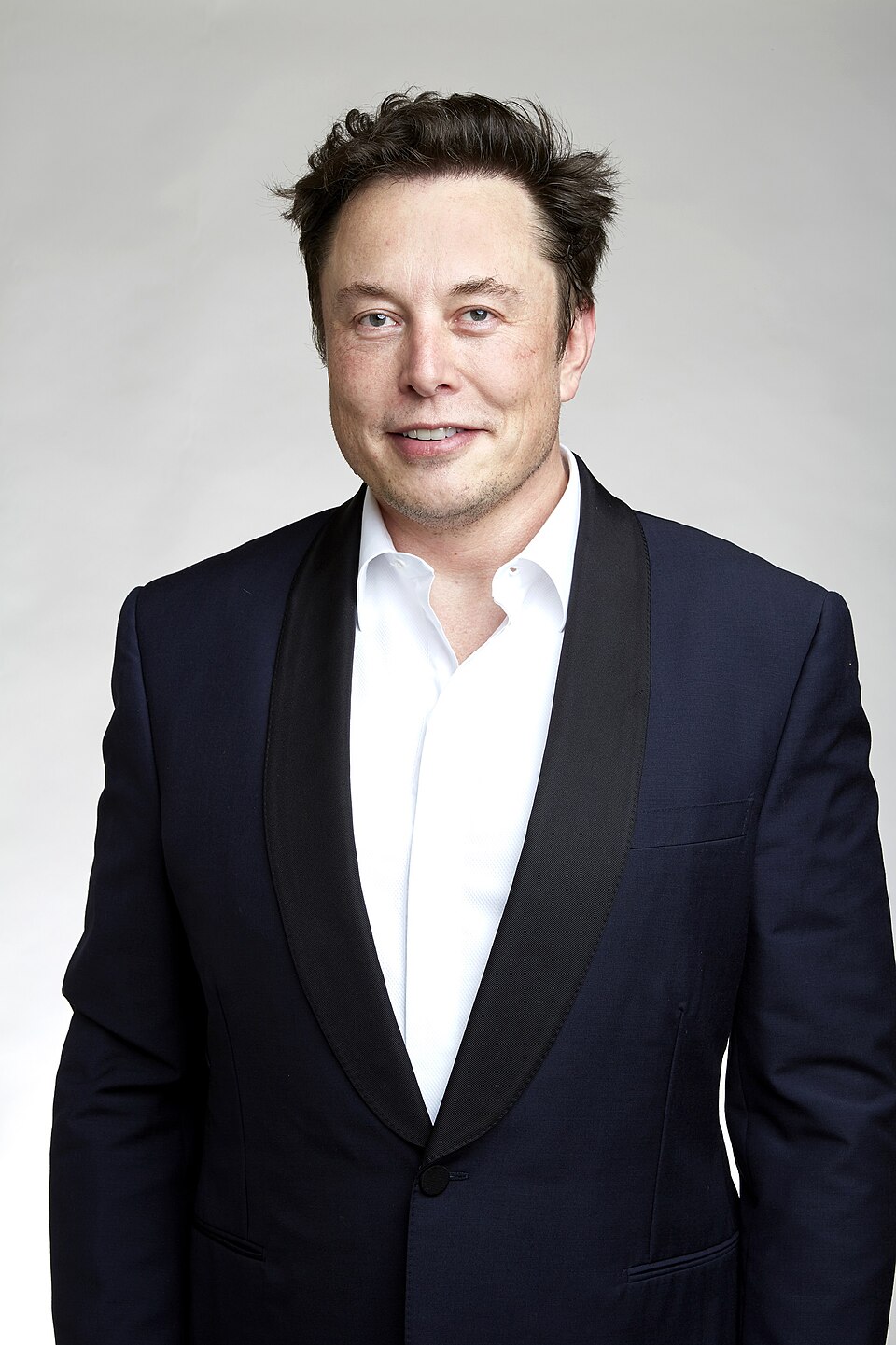
Elon Musk
Tesla / SpaceX
The ambition to pursue difficult problems and turn an idea into something real.
02 / Building
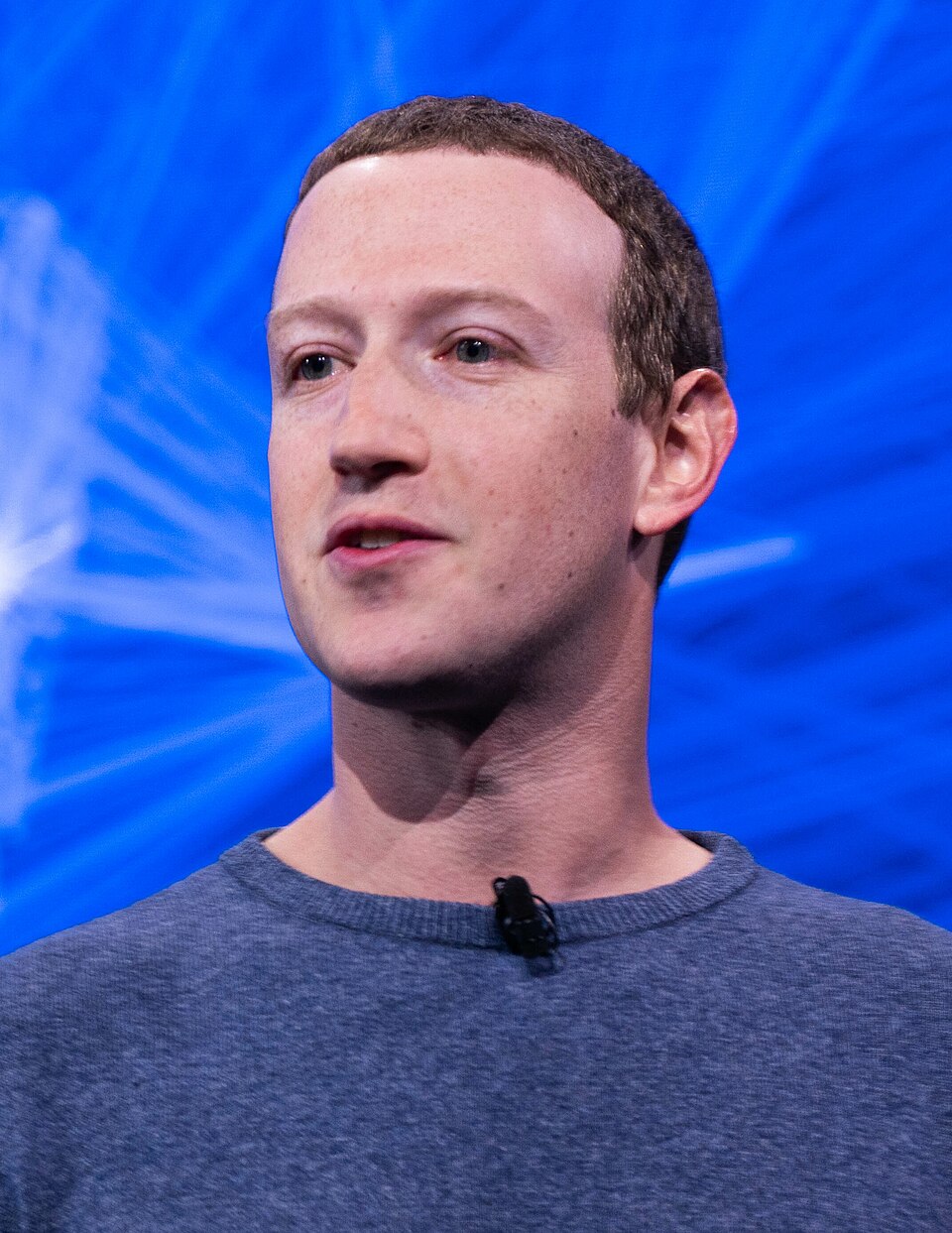
Mark Zuckerberg
Facebook / Meta
The journey from an early product to a company built around how people connect.
03 / Bringing people together
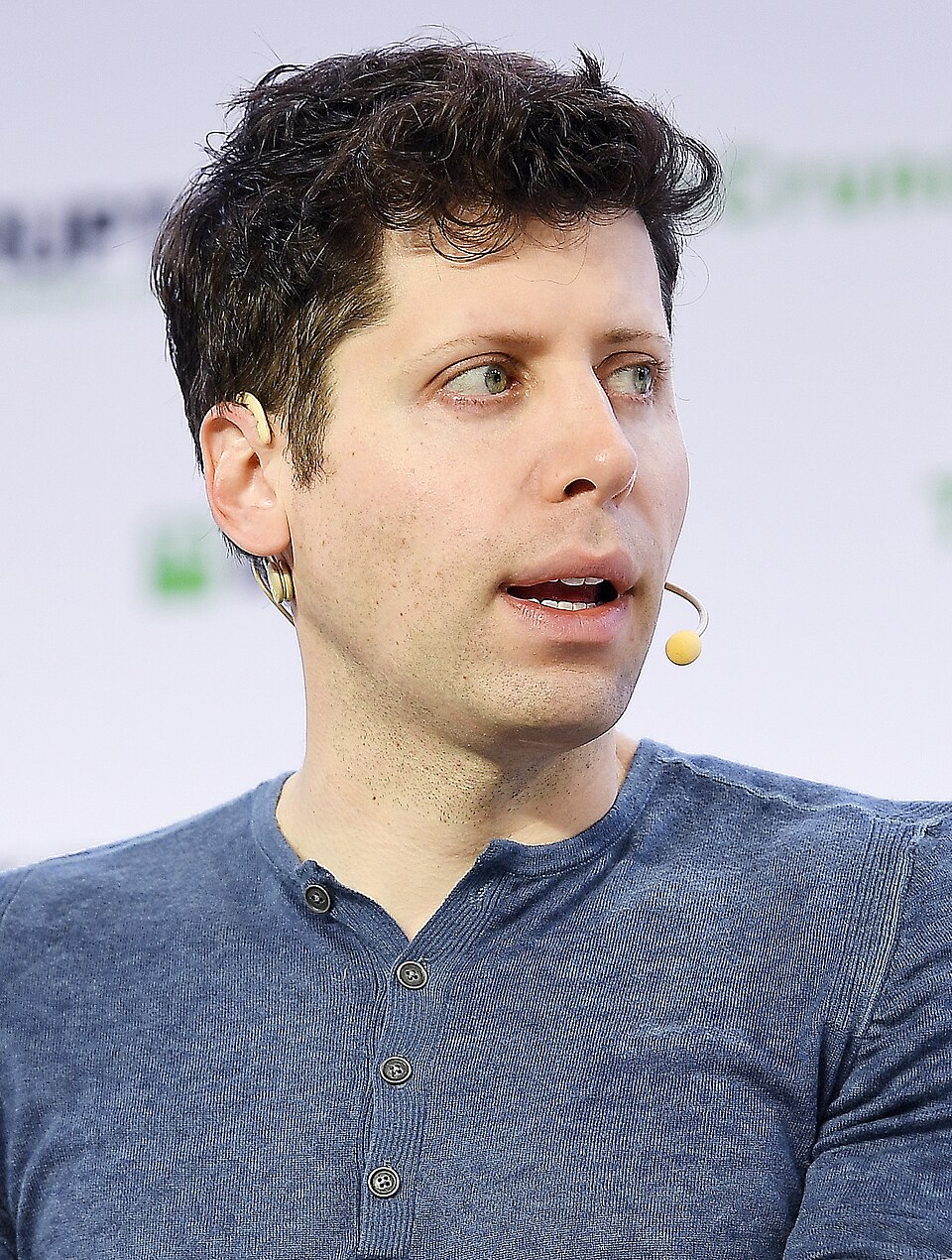
Sam Altman
OpenAI / Y Combinator
Building teams, supporting founders, and bringing emerging technology into people’s lives.
04 / Long-term vision
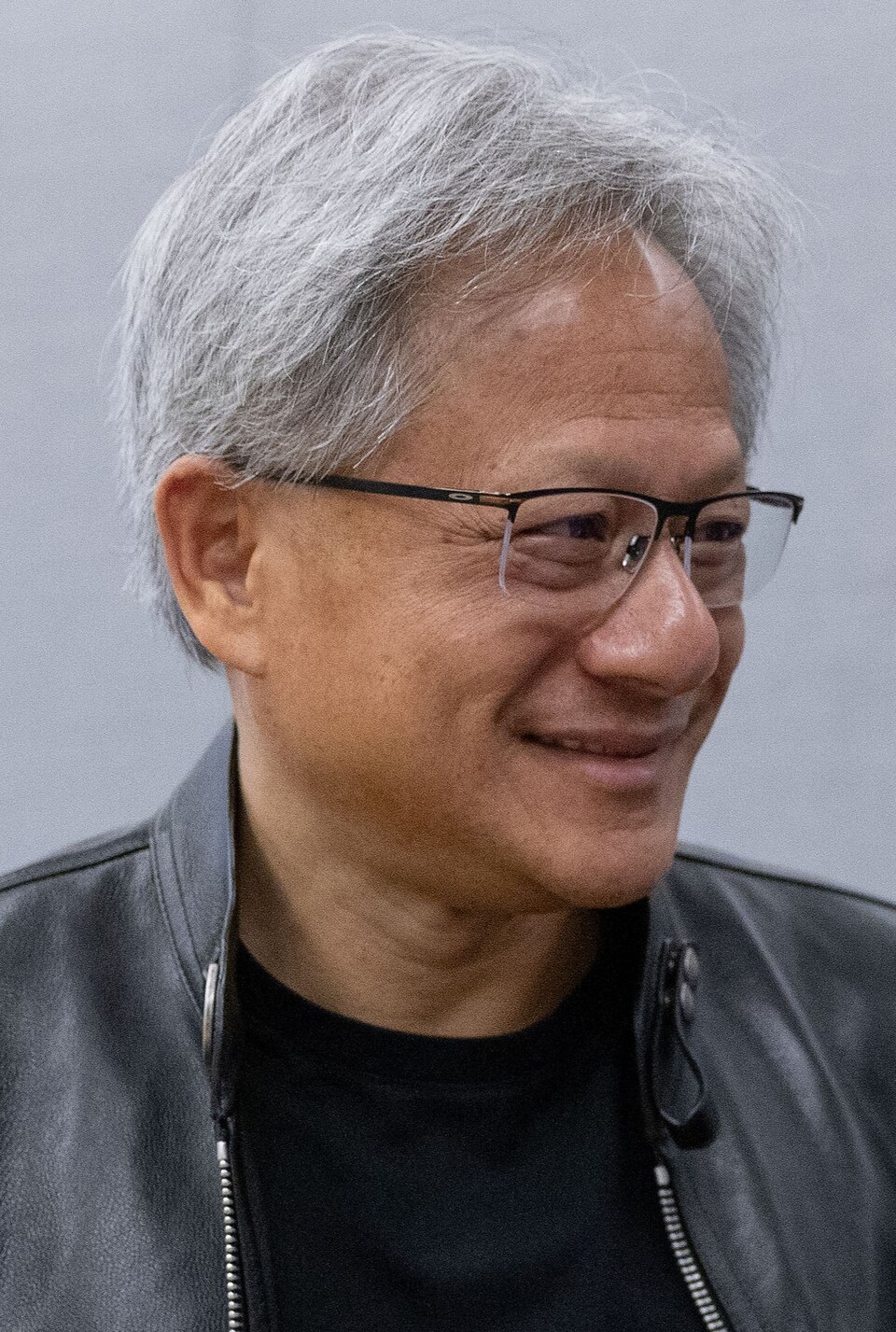
Jensen Huang
NVIDIA co-founder
Building a company over decades, with a sustained focus on what computing could become.
05 / Open collaboration
Linus Torvalds
Creator of Linux and Git
Starting with a technical problem and creating tools that communities around the world can build on.
06 / Tools for others
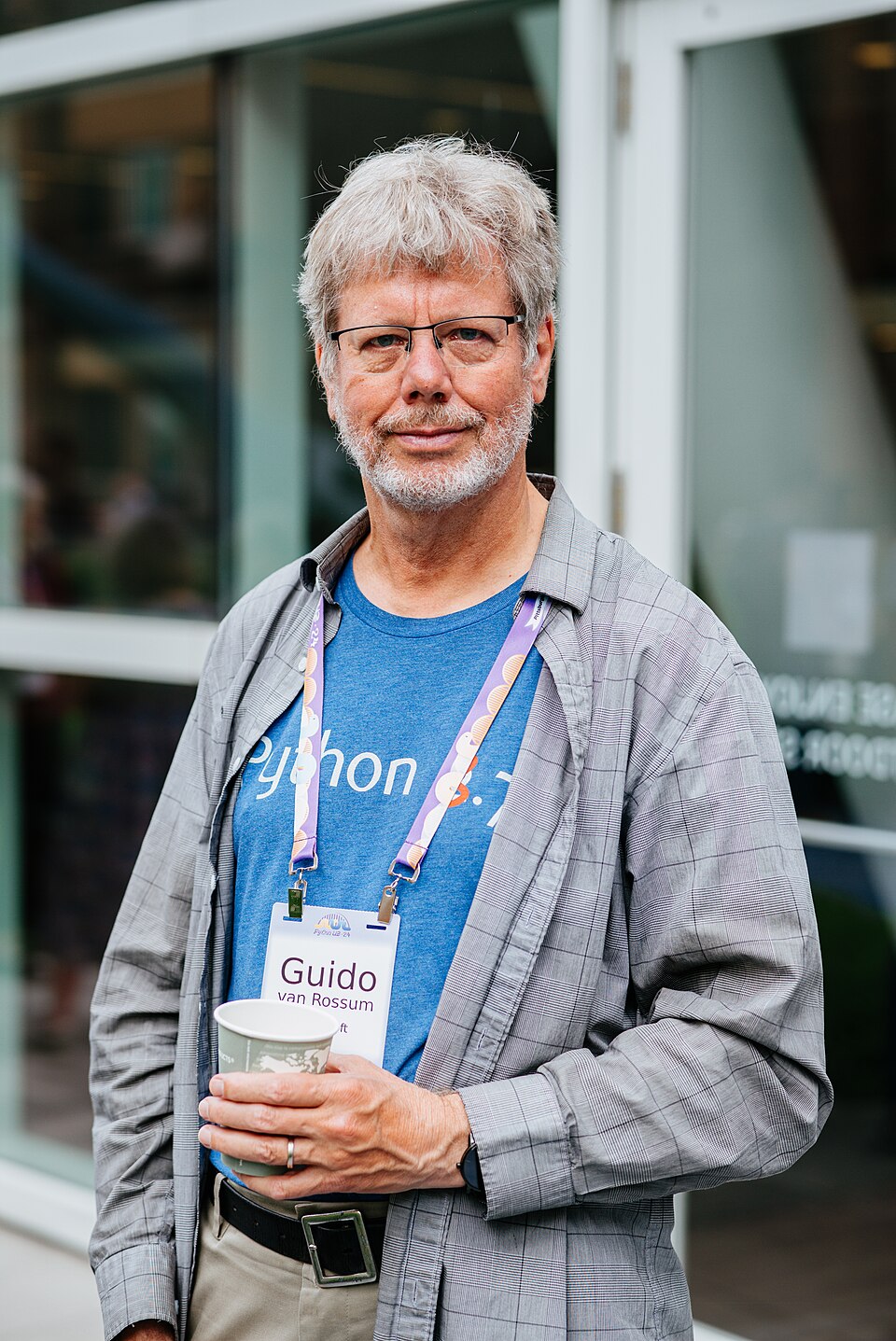
Guido van Rossum
Creator of Python
Making programming more approachable, and giving people a language for turning their own ideas into working tools.
07 / Scientific curiosity
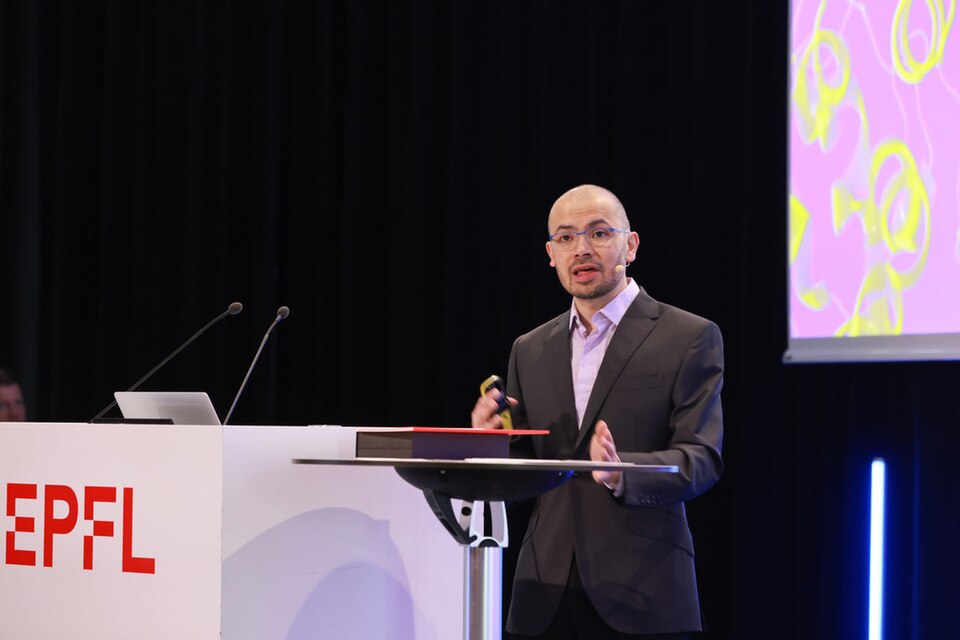
Demis Hassabis
DeepMind co-founder
Connecting research and company-building through the ambition to use AI to advance scientific discovery.
08 / Making things possible
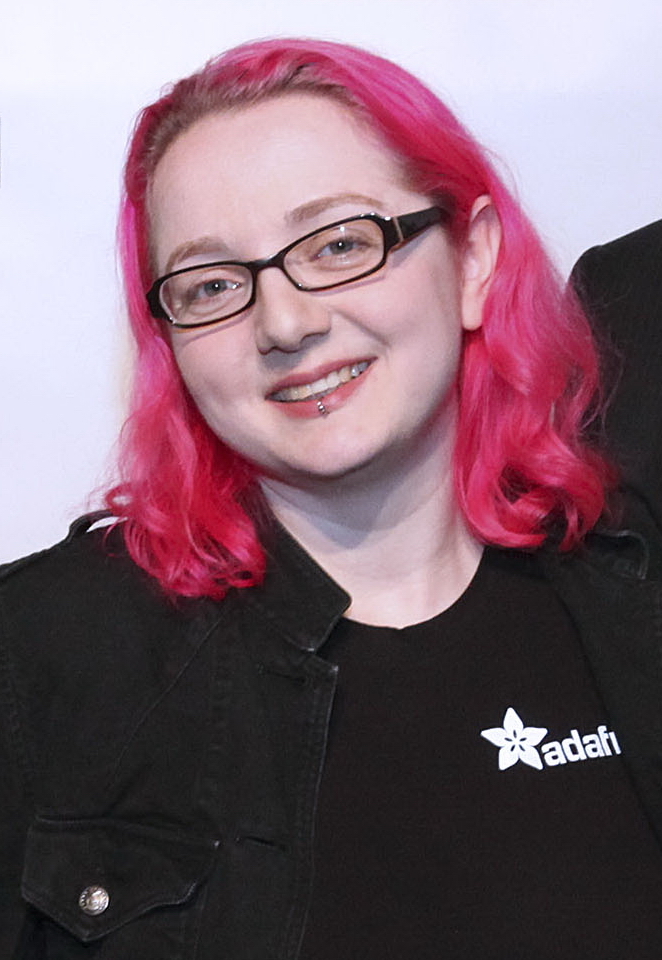
Limor Fried
Adafruit founder
Combining engineering, a business, and open learning resources to help more people make things with electronics.
09 / An open internet
Mitchell Baker
Mozilla co-founder
Bringing a community and an organization together around openness, participation, and choice on the web.
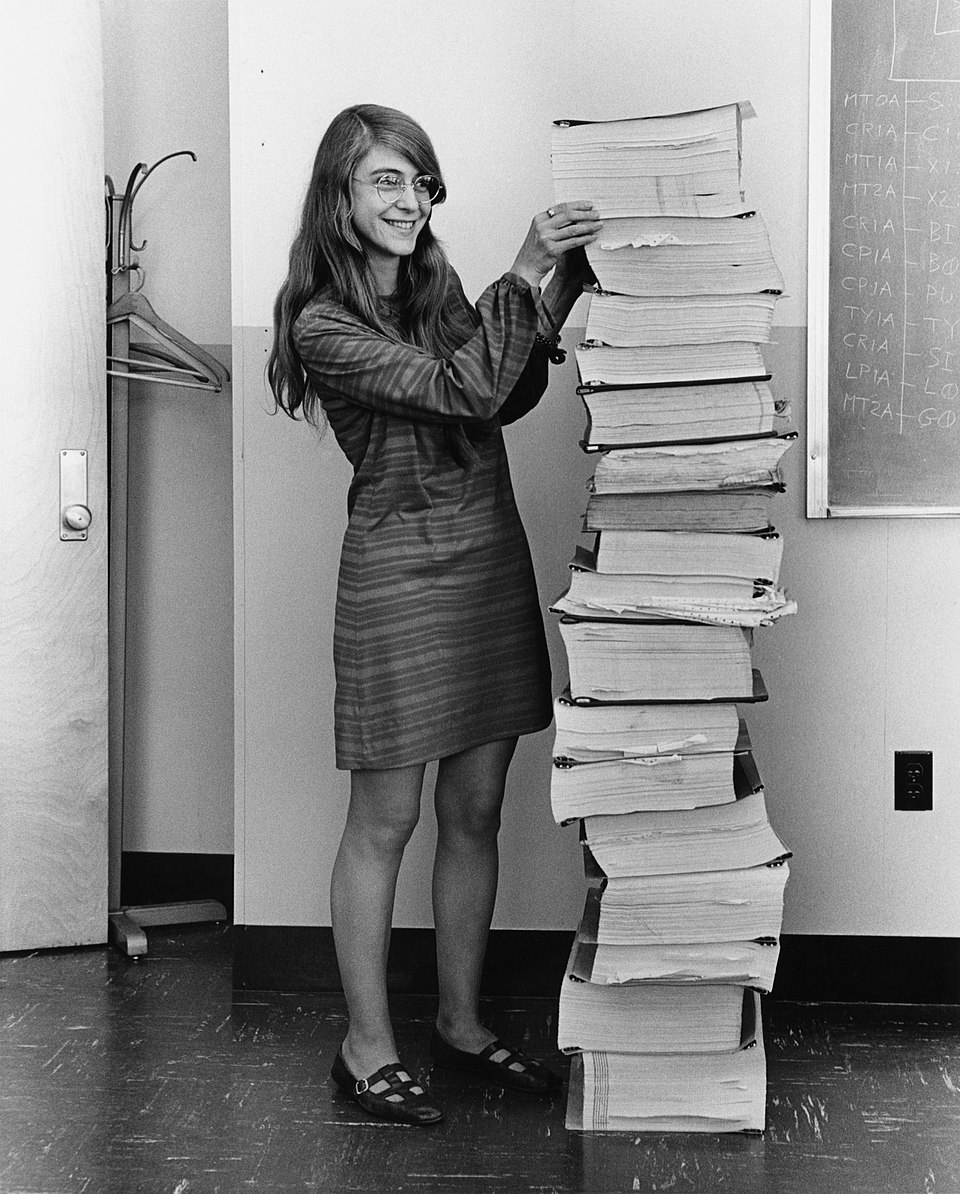
10 / Rigorous engineering
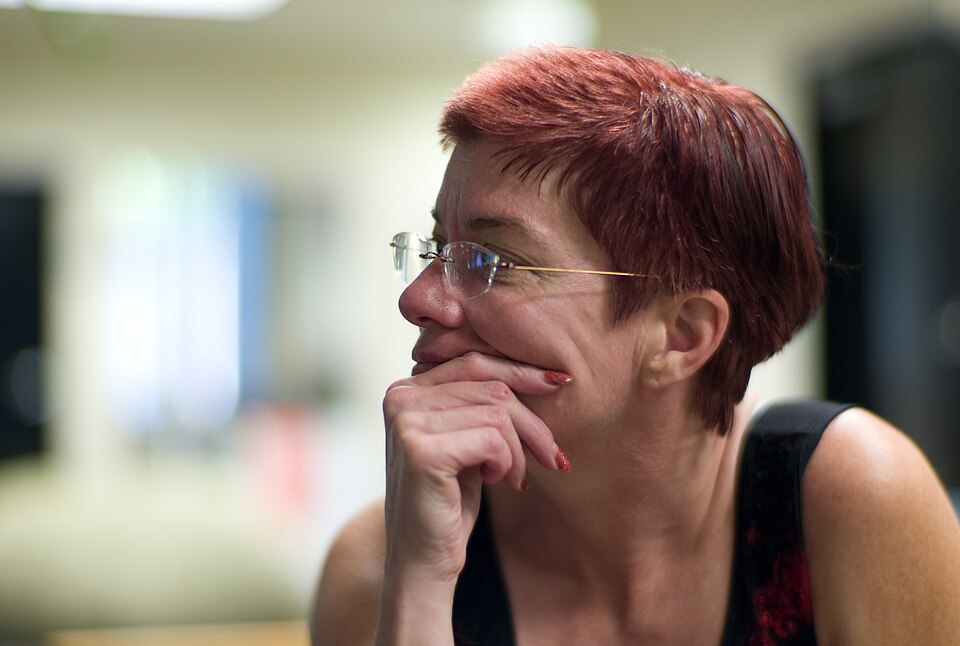
Margaret Hamilton
Apollo software / Hamilton Technologies
Taking software reliability seriously, then carrying that engineering experience into companies and new methods.
1–2 / 10
Photography credits
Portraits via Wikimedia Commons, displayed with monochrome styling and crops. Image treatments retain the licenses below.
Tell us about the crypto market, project, or research question you want to understand. We’ll discuss available evidence, what the work would involve, and a quote for your scope.
 arc of play